Posted on 9/25/2026
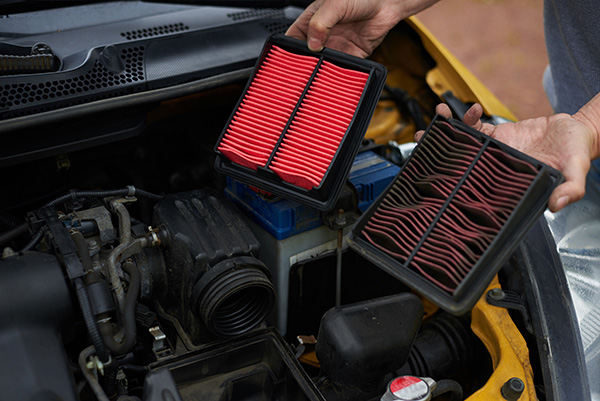
Wildfire smoke does more than make the sky hazy. Fine ash, soot, and airborne particles can get pulled into your car's ventilation system whenever the fan is running, especially when outside air is drawn through the HVAC system. That extra contamination can load up a cabin air filter faster than normal driving would. In an area like San Francisco, where smoke can move in from fires far outside the city, a filter can go from looking acceptable to heavily coated in a short time. Wildfire Smoke Contains Very Fine Particles Cabin air filters are designed to catch dust, pollen, road debris, and other airborne material before it reaches the passenger compartment. Wildfire smoke adds a much finer layer of contamination. Those small particles can settle deep into the filter media instead of sitting only on the surface. Over time, airflow becomes more restricted. At our shop, we sometimes see filters that look dark gray or almost black after smoky conditions even though ... read more
Posted on 8/28/2026
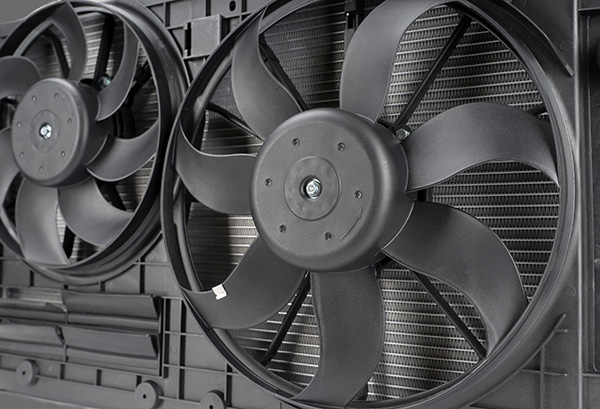
An engine cooling fan that continues operating after shutdown is not always a sign of failure. Many modern vehicles are programmed to keep the fan on when coolant temperature, underhood temperature, or air conditioning pressure remains high after the engine stops. The fan may run for several minutes while heat leaves the radiator, condenser, turbocharger area, and engine compartment. Concern is warranted when it runs much longer than normal, operates after every short trip, drains the battery, or continues even when the engine is cold. Normal Heat Management After Shutdown The engine stops producing combustion heat as soon as it is turned off, but stored heat remains in the cylinder head, engine block, exhaust system, and turbocharger on equipped vehicles. Coolant circulation may slow or stop, while temperatures in certain areas can briefly rise because airflow through the engine compartment has ended. The vehicle’s control module can respond by keeping the e ... read more
Posted on 7/31/2026
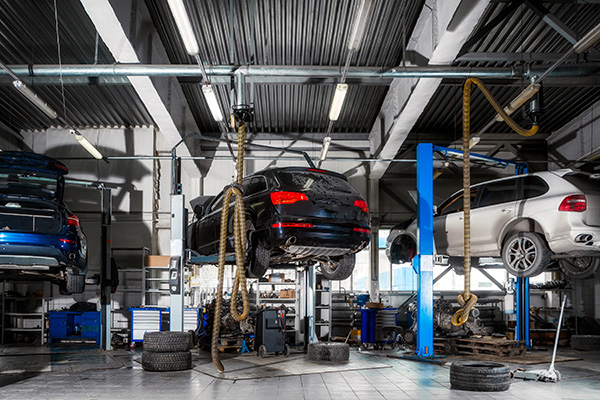
Volkswagen SUVs are practical, comfortable, and enjoyable to drive, but, like any vehicle, they start showing wear as mileage and age accumulate. The first clues are not always major breakdowns. More often, owners notice a warning light, a new noise, a small leak, or a change in how the SUV shifts or accelerates. Those early symptoms are useful. They can point toward problems that are easier to repair before they spread into larger systems. Whether you drive a Tiguan, Atlas, Taos, Touareg, or another Volkswagen SUV, paying attention to the first changes can help protect the engine, transmission, brakes, suspension, and electronics. 1. Check Engine Light And Rough Running One of the most common problems Volkswagen SUV owners notice first is a check engine light. Sometimes the SUV still drives normally. Other times, it may idle rough, hesitate, shake, lose power, or use more fuel than usual. These symptoms can be caused by ignition coils, spark plugs, fuel system iss ... read more
Posted on 6/26/2026
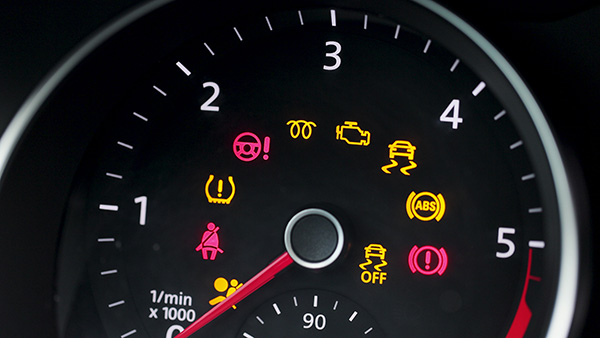
European vehicles are known for sharp handling, refined interiors, and advanced technology. They are also equipped with electrical systems that depend on clean power, reliable communication, and accurate sensor data. When something in that network gets unstable, the symptoms can feel strange from the driver’s seat. One warning light turns on, then goes away. The screen resets. The car starts fine for three days, then hesitates the next morning. The problem can feel random, but there is always a cause. The fix starts with slowing down, testing the right systems, and not replacing parts just because one warning showed up first. Start With Battery Health And Voltage European cars can be very sensitive to weak battery voltage. A battery does not need to be completely dead to cause trouble. If it is aging, undercharged, or failing under load, modules can start receiving unstable power. That can trigger warning lights for systems that are not actually broken. You m ... read more
Posted on 5/29/2026

Power steering problems rarely show up all at once. In many cases, the system gives subtle warnings first. The steering may feel slightly heavier, or you might hear a faint noise when turning at low speeds. Since the car is still drivable, it is easy to ignore those early signs. In German vehicles, steering systems are often more refined and precise, which also makes them more sensitive to wear. When something starts to fail, the changes in steering feel tend to become noticeable fairly quickly. Steering Effort Gradually Increases One of the first signs of a failing power steering system is increased effort required to turn the wheel. You may notice it more when parking or making tight turns. At first, the difference might seem minor. Over time, though, the steering can become noticeably heavier. This change usually points to a drop in hydraulic pressure or an issue with the assist system. Noises Begin When Turning the Wheel A whining or groaning ... read more
Posted on 4/30/2026
Mercedes-Benz vehicles tend to create strong opinions. Some drivers see them as refined, well-built, long-lasting cars that reward good ownership. Others see them as expensive, and the second something goes wrong. There is truth on both sides, which is why the real answer is more nuanced than people expect. A Mercedes can be dependable for a long time. It can also get expensive faster than expected when service is delayed or handled incorrectly. Why Mercedes Reliability Gets Misread A lot of the confusion starts with what people mean by reliable. Some use it to mean the car starts every morning. Others use it to mean the car stays cheap to own for years. Those are not the same thing. A Mercedes-Benz can feel solid and refined even at higher mileage, yet still costs more to maintain than a basic commuter car. That is where expectations get out of line. Drivers buy the comfort, engineering, and performance, then get surprised when the upkeep reflects the kind of vehi ... read more
Posted on 3/27/2026
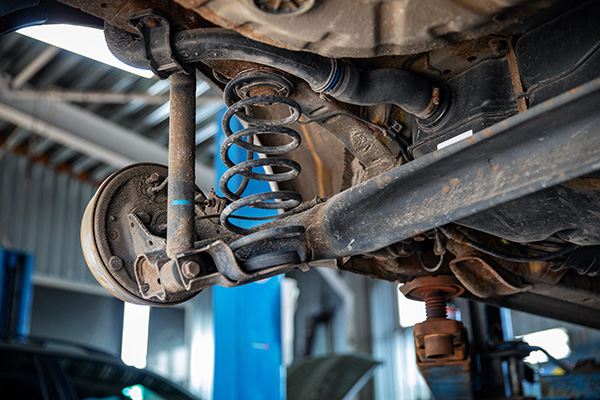
Suspension wear shows up as changes that are easy to blame on rough roads. You do not have to name the exact part to take it seriously. You just need a few clues and a sense of when they happen. Here are five symptoms that can mean the suspension is worn. How Suspension Wear Builds Over Time Suspension parts absorb impacts, keep the tires planted, and stop the body from continuing to move after bumps. As bushings soften and joints loosen, the car can feel less settled without any single dramatic moment. That slow change is why many drivers adapt to it without noticing. Regular maintenance helps because tire checks can reveal uneven wear early. It also gives you a chance to catch a loose joint before it becomes a louder problem. Small fixes beat replacing tires early. Extra Bounce After Bumps If the car bounces more than once or twice after a d ... read more
Posted on 2/27/2026
%20copy.jpg)
A head gasket problem rarely starts with a bang. More often, it begins as a small, nagging change you can’t quite explain, like coolant disappearing or the temperature running a little hotter in traffic. Because the car may still drive normally at first, it’s easy to postpone it. The risk is that once the head gasket leaks far enough, heat and contamination can stack up quickly. That is when a manageable repair can turn into a much bigger one. Here are the warning signs that deserve attention sooner. Blown Head Gasket Basics A head gasket seals the joint between the engine block and cylinder head, keeping coolant, engine oil, and combustion pressure in their correct places. When it fails, those boundaries blur, and the symptoms depend on where the leak is and how large it is. A careful inspection is usually the fastest way to confirm what’s happening without guessing. Taking care of the cooling system is necessary, as overheating is a common caus ... read more
Posted on 1/30/2026
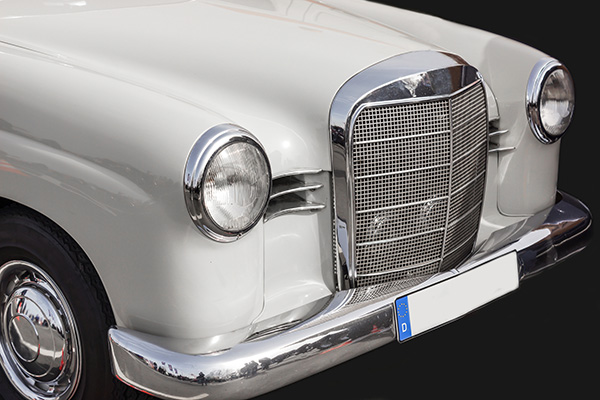
Buying a classic Mercedes-Benz is exciting, right up until you realize you just bought someone else’s long, unfinished project. Most of these cars can be great drivers, but age, storage habits, and half-done repairs matter more than the badge. A careful inspection helps you separate a well-kept car from one that will nickel-and-dime you every month. The goal is not perfection, it’s knowing what you’re really paying for. Start With The Paper Trail And A Cold Start Before you touch the hood latch, look at the paperwork. You want to see consistent maintenance, not just a stack of random receipts. Long gaps often mean the car sat, and sitting for extended periods creates its own problems with seals, fuel systems, cooling components, and brake hydraulics. If possible, see the car cold. A warm engine can hide hard starting, smoke at startup, weak idle control, or low compression behavior that shows up in the first minute. Watch how quickly it catches, ho ... read more
Posted on 12/19/2025
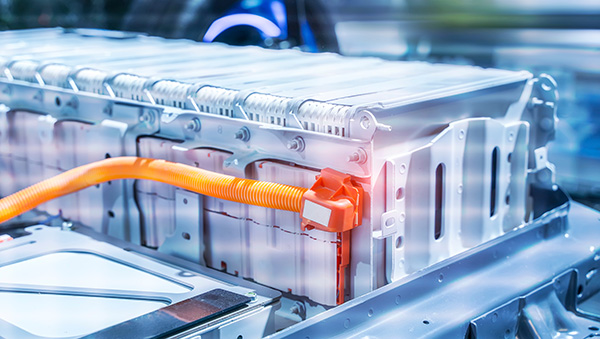
BMW hybrid models are built to deliver strong performance and good fuel economy, switching between electric power and the gasoline engine as conditions change. Over time, though, you might notice the electric assist does not feel as strong, the engine runs more often than it used to, or overall efficiency slips. The high-voltage battery is at the center of that system, and how you maintain and drive the car plays a big role in how long it stays healthy. How BMW Hybrid Batteries Work in Everyday Driving The hybrid battery is made up of many individual cells grouped into modules, all monitored and managed by a control unit. Instead of charging and discharging the full pack every time, the system operates in a preferred state-of-charge window. That controlled range helps protect the battery from the extremes that cause rapid wear. During gentle driving, the hybrid system may use more electric assist to reduce fuel use. Under harder acceleration, the motor and engine w ... read more