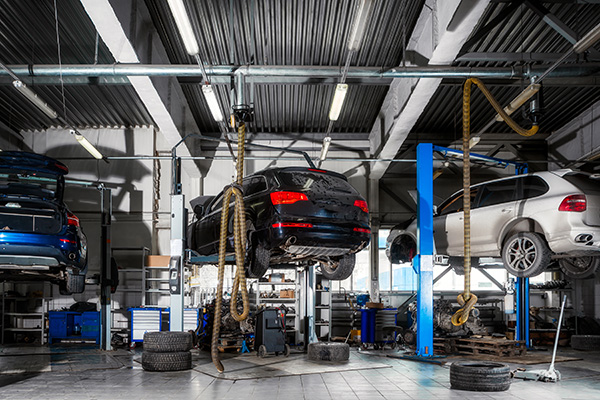
Volkswagen SUVs are practical, comfortable, and enjoyable to drive, but, like any vehicle, they start showing wear as mileage and age accumulate. The first clues are not always major breakdowns. More often, owners notice a warning light, a new noise, a small leak, or a change in how the SUV shifts or accelerates.
Those early symptoms are useful. They can point toward problems that are easier to repair before they spread into larger systems. Whether you drive a Tiguan, Atlas, Taos, Touareg, or another Volkswagen SUV, paying attention to the first changes can help protect the engine, transmission, brakes, suspension, and electronics.
1. Check Engine Light And Rough Running
One of the most common problems Volkswagen SUV owners notice first is a check engine light. Sometimes the SUV still drives normally. Other times, it may idle rough, hesitate, shake, lose power, or use more fuel than usual.
These symptoms can be caused by ignition coils, spark plugs, fuel system issues, intake leaks, sensors, emissions components, or turbo-related problems on equipped models. A fault code helps point to the system involved, but it does not always prove which part failed.
For example, a lean code may be caused by an air leak, not a bad oxygen sensor. A misfire code may indicate a spark, fuel, compression, or carbon buildup issue. Proper diagnostic testing helps avoid replacing parts too quickly and missing the actual cause.
2. Oil Leaks Or Burning Oil Smells
Oil leaks are another common concern as Volkswagen SUVs age. Owners may notice spots under the vehicle, a hot-oil smell after parking, smoke from the engine bay, or oil-level warnings between services.
Oil can leak from valve cover gaskets, oil filter housings, oil pan areas, timing covers, turbo oil lines, seals, or crankcase ventilation components. On some engines, a failed PCV system can increase crankcase pressure and push oil past gaskets that were already aging.
A small seep may not look urgent at first, but oil can spread across engine parts, drip onto hot exhaust areas, soften rubber, and lower the oil level. An inspection should trace the leak from the highest wet point, rather than focusing only on where oil finally drips.
3. Coolant Loss And Overheating Warnings
Coolant problems can show up as a low coolant warning, a sweet smell, crusty residue, a moving temperature gauge, weak cabin heat, or coolant spots under the vehicle. Some leaks only happen when the engine is hot and the system is under pressure, so there may not be an obvious puddle.
Volkswagen cooling systems use hoses, plastic fittings, water pumps, thermostats, radiators, reservoirs, caps, and seals that all deal with heat and pressure. Over time, plastic and rubber parts can become brittle. A small leak can become a larger overheating concern if ignored.
Low coolant should never be treated as normal. Topping off the reservoir may help temporarily, but the cause still needs to be found. Overheating can damage gaskets, sensors, hoses, and internal engine parts.
4. Transmission Hesitation Or Rough Shifting
Volkswagen SUV owners may notice hesitation from a stop, rough shifts, delayed engagement, shuddering, or a feeling that the SUV is unsure which gear it wants. The cause depends on the transmission type, mileage, fluid condition, software, mounts, and driving symptoms.
Some issues may involve transmission fluid service needs, mechatronic or valve body concerns, clutch behavior on certain systems, sensor data, or engine performance problems that feel like transmission trouble. A weak engine can make shifting feel odd, and a transmission concern can make the engine feel weak.
Useful details include when the symptom happens:
- Cold start
- Stop-and-go traffic
- Low-speed turns
- Highway passing
- Uphill driving
- Shifting from park to drive
- After the vehicle is fully warm
Those details help guide testing instead of treating every shifting complaint the same way.
5. Suspension Noise, Brake Wear, And Tire Problems
Volkswagen SUVs are heavier than small cars, and that weight affects brakes, suspension, and tires over time. Owners may first notice clunks over bumps, squealing brakes, vibration while stopping, uneven tire wear, or a steering wheel that no longer feels centered.
Suspension noise can come from control arm bushings, sway bar links, strut mounts, shocks, ball joints, or loose hardware. Brake concerns can involve pads, rotors, calipers, hoses, or hardware. Tire wear can point toward alignment issues, worn suspension parts, incorrect pressure, or skipped rotations.
These problems often overlap. A worn suspension part can ruin tires. A sticking caliper can cause heat and vibration. Poor alignment can cause the SUV to pull and wear the tread quickly. Regular maintenance helps catch these signs before one worn part damages several others.
Why Early Volkswagen SUV Symptoms Should Be Checked
Volkswagen SUV problems are usually easier to handle when they are caught early. A small oil leak is easier than running low on oil. A small coolant leak is easier than overheating. A misfire is easier before it damages the catalytic converter. A worn bushing is cheaper than replacing the tires.
A proper check should include symptoms, fault codes, fluid condition, leaks, service history, road-test results, and model-specific concerns. That gives a clearer repair plan and helps separate urgent repairs from items that can be watched.
Get Volkswagen SUV Repair in San Francisco, CA with Pete's, Inc.
If your Volkswagen SUV has a warning light, a leak, overheating concerns, a rough shift, brake noise, suspension clunk, or uneven tire wear, Pete's, Inc. in San Francisco, CA, can inspect the vehicle and explain what needs attention.
For Volkswagen SUV repair and maintenance before small symptoms turn into bigger problems, contact us to schedule an appointment.