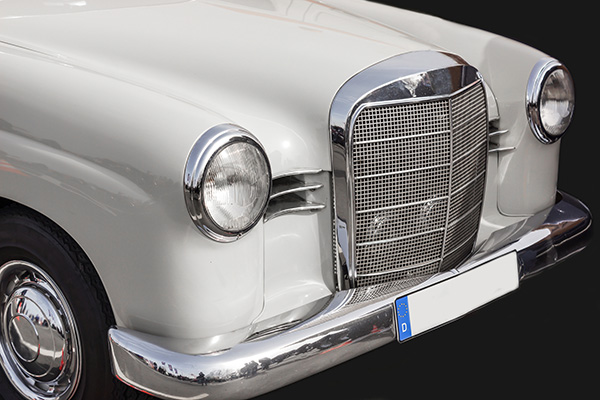
Buying a classic Mercedes-Benz is exciting, right up until you realize you just bought someone else’s long, unfinished project. Most of these cars can be great drivers, but age, storage habits, and half-done repairs matter more than the badge. A careful inspection helps you separate a well-kept car from one that will nickel-and-dime you every month. The goal is not perfection, it’s knowing what you’re really paying for.
Start With The Paper Trail And A Cold Start
Before you touch the hood latch, look at the paperwork. You want to see consistent maintenance, not just a stack of random receipts. Long gaps often mean the car sat, and sitting for extended periods creates its own problems with seals, fuel systems, cooling components, and brake hydraulics.
If possible, see the car cold. A warm engine can hide hard starting, smoke at startup, weak idle control, or low compression behavior that shows up in the first minute. Watch how quickly it catches, how it idles, and whether it stumbles or surges before it settles down. A clean, cold start tells you more than a shiny engine bay ever will.
Rust And Body Checks That Matter More Than Shine
Paint and trim can be fixed. Rust in the wrong places can turn a good deal into a headache. Look beyond surface bubbles and focus on structural areas, jack points, rocker panels, and underneath the doors. Check the trunk area too, especially around seals and low spots where water collects.
Panel gaps and mismatched paint can hint at old bodywork. That is not always a deal breaker, but it should prompt more questions. A car can look great in photos and still hide rust where you can’t easily see it until it’s on a lift. If the seller is nervous about you looking underneath, take that as useful information.
Engine Bay Inspection: Leaks, Cooling, And Aging Rubber
Classic Mercedes-Benz engines often seep a little, but you still want to know where it’s coming from and whether it’s active. Look for the highest wet point and trace downward, because oil travels with gravity and airflow. Pay attention to brittle hoses, cracked vacuum lines, and electrical connectors that look heat-aged.
Here’s a practical engine bay checklist that catches a lot of expensive problems:
- Oil seepage around valve covers, front seals, and the area near the oil filter housing
- Coolant crusting, stained hoses, or dampness around the radiator and water pump
- Swollen hoses near clamps and brittle plastic fittings that feel ready to crack
- Signs of overheating, like discolored parts or a burnt coolant smell
- Wet power steering areas, since small leaks can turn into big messes quickly
We treat the cooling system as a top priority on older cars, because one overheating event can change the whole ownership experience.
Drivetrain And Undercarriage: Where Big Costs Hide
Get eyes on the underside if you can. Look for wet transmission areas, differential seepage, and leaks that coat the belly pans. Check for torn boots, worn mounts, and anything that looks recently cleaned in a suspicious way, because fresh cleaning sometimes means someone is trying to hide a leak.
Suspension wear is common on older cars, even with low mileage. Bushings age out, ball joints loosen, and shocks lose control over bounce. You also want to look at brake lines and fuel lines for corrosion, and check the exhaust for rusty sections or loose hangers. This is where the “cheap classic” can quietly stop being cheap.
Test-Drive Cues: How It Should Shift, Brake, And Track
A test drive should include low-speed neighborhood streets and a steady-speed stretch where you can feel how it tracks. The car should accelerate smoothly without hesitation, and it should not stumble when you roll into the throttle. Pay attention to engine temperature behavior, because slow creeping heat can hint at cooling issues.
Shifting should feel consistent. Whether it’s automatic or manual, you want clean engagement without long delays, flares in RPM, or harsh surprises. Braking should feel straight and confident, with no steering shake and no pulling. If it wanders, feels loose, or clunks over bumps, you may be looking at worn steering and suspension parts, even if the car looks pristine sitting still.
Cost-Smart Plan: Decide What You Can Live With
Every classic has some needs. The key is deciding what’s manageable and what’s a warning sign. Minor cosmetic flaws and small seepage can be acceptable if the car is otherwise solid and priced fairly. What tends to get expensive is structural rust, signs of overheating history, sloppy shifting behavior, and electrical hacks that look like a weekend experiment.
If the seller can’t explain basic maintenance history, assume you’ll be doing baseline work right away. That usually means fluids, filters, belts, and a thorough inspection of cooling, brakes, and suspension. We’ve seen the best outcomes when buyers budget for that baseline from the start, instead of hoping the car needs nothing because it drives okay for ten minutes.
Get Pre-Purchase Inspection in San Francisco, CA with Pete's, Inc.
If you’re shopping for a classic Mercedes-Benz, we can perform a thorough pre-purchase inspection and help you understand what you’re buying before you commit. We’ll document what we find, run the right diagnostics, and use that evidence to form a clear diagnosis and plan.
Get a pre-purchase inspection in San Francisco, CA with Pete's, Inc., and we’ll help you buy with confidence instead of crossing your fingers.