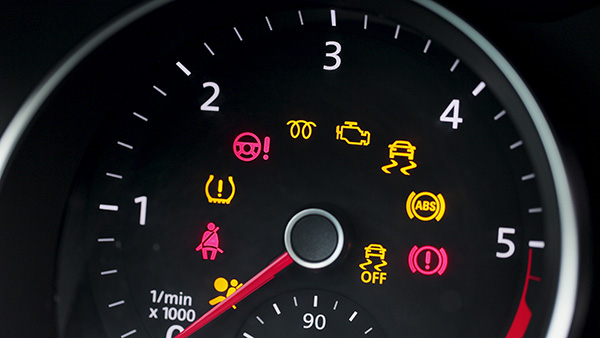
European vehicles are known for sharp handling, refined interiors, and advanced technology. They are also equipped with electrical systems that depend on clean power, reliable communication, and accurate sensor data. When something in that network gets unstable, the symptoms can feel strange from the driver’s seat.
One warning light turns on, then goes away. The screen resets. The car starts fine for three days, then hesitates the next morning. The problem can feel random, but there is always a cause. The fix starts with slowing down, testing the right systems, and not replacing parts just because one warning showed up first.
Start With Battery Health And Voltage
European cars can be very sensitive to weak battery voltage. A battery does not need to be completely dead to cause trouble. If it is aging, undercharged, or failing under load, modules can start receiving unstable power.
That can trigger warning lights for systems that are not actually broken. You might see messages for stability control, steering assist, transmission faults, lighting, comfort features, or keyless start. The first step is to test the battery properly, not just check whether the engine starts. A battery can crank the car and still be weak enough to confuse the electronics.
Check The Charging System Next
Once the engine is running, the alternator and charging system need to supply steady power. If output drops, the belt slips, or a connection is weak, the car may act normal until electrical demand increases. Headlights, heated seats, blower motors, and infotainment systems all add load.
Charging issues can create flickering lights, warning messages, screen glitches, slow accessory operation, or a battery light that comes and goes. In a European vehicle, a single voltage issue can cause several symptoms that appear unrelated. Testing the alternator, cables, and charging behavior under load helps separate a real system failure from a power supply issue.
Look Closely At Grounds And Connections
Bad grounds cause some of the most confusing electrical problems. A ground point that is loose, corroded, or damaged can make one system interfere with another. The car may run fine in the shop, then act up on the road when vibration, heat, or moisture changes the connection.
European vehicles often use multiple ground points and tightly integrated wiring networks. A weak ground can trigger sensor faults, communication errors, lighting problems, or intermittent starting complaints. A proper inspection should include cable ends, ground straps, fuse box connections, and wiring near areas exposed to heat or moisture.
Do Not Trust Warning Lights Alone
A warning light indicates which system has detected a problem. It does not always tell you which part caused it. For example, a stability control warning might come from a wheel speed sensor, low voltage, steering angle data, brake switch input, or a communication issue. Replacing the first part mentioned in the code can miss the real cause.
This is where proper diagnostics are important. The vehicle’s stored codes, live data, freeze-frame information, and communication history all need to be read together. The goal is to understand the pattern, not just clear the dashboard and hope the warning stays away.
Moisture And Heat Can Make Problems Intermittent
Many strange electrical symptoms are tied to conditions. The problem appears after rain, after a car wash, during hot weather, during a cold start, or after the engine bay warms up. Those details are not small. They can point to a connector, sensor, module, or harness area that fails only under certain conditions.
Moisture can enter damaged connectors, door wiring, light housings, sunroof drains, or fuse box areas. Heat can affect modules, relays, wiring insulation, and sensors. If the warning lights seem to follow weather or temperature, mention that during service. It gives the testing process a better direction.
Watch For Coding, Module, And Software Issues
European vehicles often rely on coded modules that have to match the vehicle correctly. A replacement battery, sensor, control module, light assembly, or electronic part may need registration, calibration, coding, or adaptation. If that step is missed, the vehicle may continue to show faults even though the part is new.
Software concerns can also play a role. Some symptoms are caused by outdated programming, communication errors, or modules that are not completing the right startup checks. Fixing the electrical issue may involve repair, coding, calibration, or software-related work, depending on the vehicle and the fault.
Why Parts Swapping Gets Expensive Fast
Electrical problems are one of the worst areas for random parts replacement. A sensor code can be caused by wiring. A module fault can be caused by low voltage. A no-start can be caused by a key, relay, battery, ground, immobilizer, or communication issue. Without testing, the repair path gets expensive quickly.
Regular maintenance helps catch weak batteries, worn belts, corrosion, and early wiring issues before they become bigger electrical problems. Once strange symptoms appear, the smartest move is organized testing. That is how you find out whether the fault is power-related, communication-related, moisture-related, or caused by a failed component.
Get European Car Electrical Repair In San Francisco, CA, With Pete's, Inc.
If your European vehicle is showing random warning lights, odd electrical behavior, screen glitches, or starting problems, Pete's, Inc. in San Francisco, CA, can inspect the system and track down the cause using the right diagnostic testing.
For European car electrical repair in San Francisco, contact us to schedule an appointment.